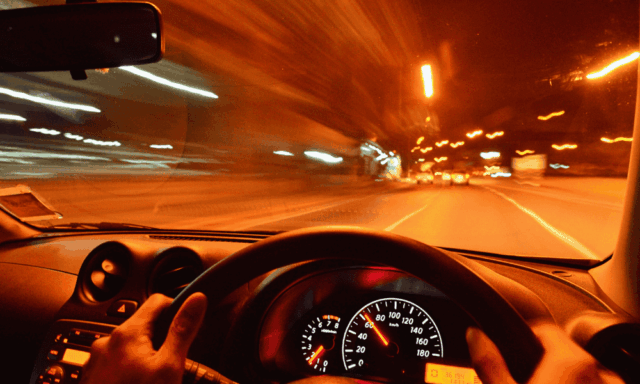
Night driving is a common pain point for many patients, particularly as they age. Reduced contrast sensitivity and increased light scatter can create challenges, and you’ve no doubt heard complaints about the glare from modern LED and HID headlights. Tear film instability and small refractive changes can contribute as well, which is why patients may ask about night driving solutions even when their daytime vision feels comfortable.
Of course, some night driving symptoms are due to underlying ocular or neural factors — IOL optics, corneal irregularity, retinal health, mesopic pupil behavior — that may not respond meaningfully to lens-based solutions. Even so, patients often look to their OD for guidance on what can realistically improve night driving comfort.
Today, Optometry 411 looks at the brands and categories worth knowing about as you help patients navigate the lens-based options available.
ZEISS DriveSafe
ZEISS DriveSafe is one of the more established driving-specific lens designs and a common reference point for ODs, and it is sometimes presented as an everyday lens with driving benefits rather than a dedicated night-driving pair. It’s a clear lens paired with an AR coating tuned to reduce perceived glare from headlights, streetlights, and reflective road surfaces.
Hoya EnRoute
Hoya’s EnRoute family takes a tiered approach. The standard EnRoute lens is designed for low-light clarity and comfort without adding a tint.
The EnRoute Pro version introduces a contrast filter that can be helpful in certain driving conditions, but because it reduces light transmission, it is better framed as a daytime or mixed-use solution. Being able to explain that distinction helps patients avoid choosing the Pro version for the wrong reason.
Shamir Driver Intelligence Moon lenses
Shamir Driver Intelligence Moon is a newer entry in the category of clear, optics-based lenses designed specifically for night driving. The lens is developed using data-driven optical modeling, including AI-based analysis during the design process. Development was in collaboration with the BWT Alpine F1 Team, which makes for an interesting talking point.
Premium AR lenses that aren’t specifically for driving
Some ODs prefer to stick with high-quality AR stacks rather than specialty driving designs. These aren’t night lenses per se, but they do aim to cut down on ghosting, halos, and distracting reflections that become more noticeable after dark.
A few that come up often:
ZEISS DuraVision Platinum
Essilor Crizal Sapphire HR
Hoya Hi-Vision LongLife AR
Nikon SeeCoat Bright
These could appeal to patients who want durability and all-day performance, with improved nighttime comfort as a secondary benefit rather than a primary feature.
Yellow or amber “night driving glasses”
Yellow-tinted glasses are probably the most heavily marketed night driving products in the consumer space. A quick search on Reddit, for example, shows users overwhelmingly suggesting yellow-tinted lenses to each other, usually to combat the aforementioned glare from bright headlights in oncoming traffic. A few name brands beyond the multitude of generic online options: Rx-Safety Halo, Eagle Eyes, NoIR, Night Rider.
The key point to emphasize here is that these tints reduce overall light transmission. Most wearers don’t consciously register the loss of ambient light. What they do notice is softer headlights. Openly acknowledging this distinction/tradeoff in your patient conversations is a good idea.
Where yellow tints are most defensible:
- Well-lit urban driving
- Dusk or early evening conditions
- Patients whose primary complaint is discomfort rather than object detection
Where they are least appropriate:
- Rural or poorly lit roads
- Older patients with reduced contrast sensitivity
Clip-ons and fitovers
As with yellow-lens glasses, clip-ons and fitovers are widely available and inexpensive, but again, they aren’t the strongest overall performers for nighttime vision because of the tint. Brands patients might mention include Cocoons, Solar Shield, Fitover USA.
Zenni NeoContrast
We’re mentioning NeoContrast lenses separately because they appear nearly clear. They use a mild contrast-enhancing filter rather than a heavy tint, which is why they present differently than the saturated yellow we’ve come to expect. That said, even mild spectral filtering reduces overall light transmission to some degree, so it’s worth a conversation about the tradeoffs.
Recommended read: Optometry Times has insights on identifying nighttime visibility difficulty
Photochromic options, with important nuances
Photochromic lenses frequently come up in conversations about driving, but they are not designed to improve nighttime vision. Some newer options do activate behind the windshield, which can be helpful for daytime or dusk driving. Examples include Transitions XTRActive and Hoya Sensity Dark, both of which provide behind-the-windshield activation and deeper tinting in bright conditions. Transitions Drivewear is polarized and optimized specifically for daytime driving.
These lenses can be useful for commuters who drive in changing light, but they should not be positioned as solutions for nighttime glare or low-light visibility.
Non-optical factors
An important aside: Vehicle-related factors can also contribute to glare and reduced visibility. Might be worth mentioning to patients that cleaning the inside and outside of their windshield regularly can make a noticeable difference. Dim the interior/dash lights as much as possible. Fresh wiper blades can help, too.
This article is intended for educational and informational purposes only. It is not a substitute for professional medical advice, diagnosis, or treatment. Clinicians should consult current research and clinical guidelines before applying any concepts in practice, and patients should always seek personalized advice from their healthcare provider.